Photo: Steven Lelham/ Unsplash
Stadium Bookings Rise Despite Runners' Preference for Outdoor Routes
Despite rising demand for athletics stadiums in Singapore, many young runners continue to prefer outdoor routes along the Park Connector Network. As stadium bookings surge due to schools and competitive training needs, casual runners like 20-year-old Matthew Lim show a different side of Singapore’s evolving running culture.
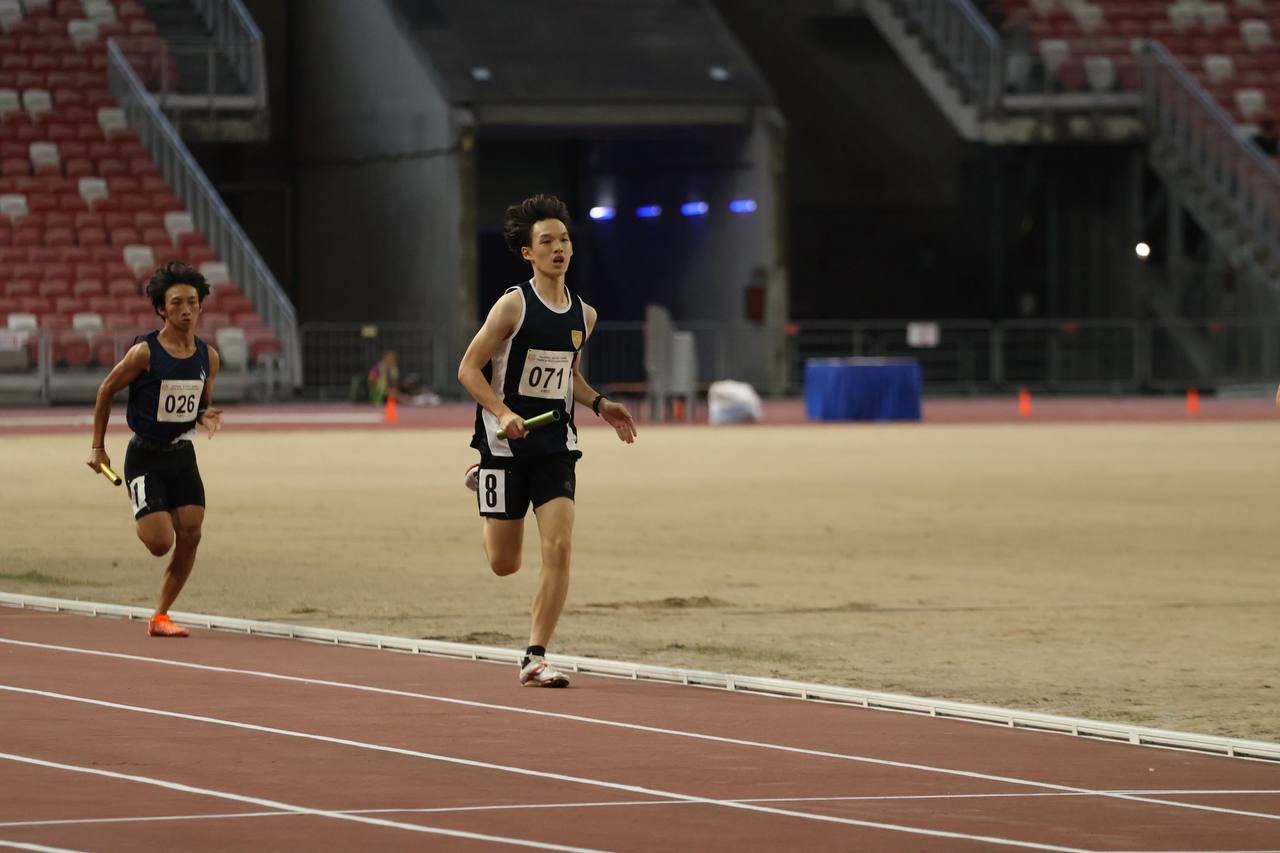
On most evenings, Singapore’s Park Connector Network (PCN) fills with casual joggers winding down after school or work. Among them is 20-year-old Matthew Lim, who has trained on official tracks for the National School Games and raced at the National Stadium itself. Despite these experiences, he still prefers the simplicity of outdoor running near his home.
“I like training outdoors because it doesn’t feel repetitive,” he said. “On the track you just go in circles. Outdoors, you can clear your mind.”
Sport Singapore’s data tells a different story from Matthew’s personal preference. According to its facility usage records, athletics stadium bookings plunged to 1,094 bookings in 2020, the lowest in over a decade. But as restrictions eased and school sports resumed, bookings began to rise again, climbing to 2,790 in 2024, the highest since 2017.

This rise was not driven by casual runners like Matthew. Instead, the increase comes largely from institutions. Schools, youth clubs and event organisers rely on regulated tracks for structured training, trials and competitions.
An article by ActiveSG Circle noted that with the National School Games returning to full-scale competitions in 2023, more finals were held at major Sports Hub venues such as the National Stadium. The article also highlighted that the return of school athletics created “more opportunities for finalists to make history,” a shift that has increased the need for scheduled stadium access.
Matthew’s own journey reflects this divide between casual and organised running. He began running in Primary Four in 2013 when his father trained him for the National Physical Fitness Award (NAPFA) 1.6 km test, and most of his early runs took place at the PCN near his home. He only started using stadium tracks in Secondary One. “My dad wanted me to get used to a proper track,” he said.
ActiveSG Director Janice Woon confirms that schools form most of the bookings during competition season. “During the National School Games season, stadium demand increases significantly because many schools do not have 400-metre tracks,” she said. “Youth clubs also contribute to bookings, especially in the evenings and weekends.”
Matthew experienced this first-hand in junior college. His school track was shorter than regulation length and had only two lanes. As a result, his team trained weekly at Evans Road Stadium and booked sessions at the Kallang Practice Track to practise.
“The Kallang track is not open to the public. You have to book it,” Matthew said. “Usually the school leaves it to the coaches to arrange everything.”
Woon explained that specialised tracks require bookings because they serve competitive needs. “These facilities support high-performance or competition-level training. They need controlled access because of higher demand, safety considerations and the need to preserve the track surface,” she said.
Despite his background in stadium-based training, Matthew still returns to outdoor routes whenever he can.
“It’s a very easy sport to start. Just get running shoes and run,” he said. “Whether it’s on the track or outside, the most important thing is enjoying the run.”
(498 words)