What can public holiday reveal about a nation’s history?
Uncovering history in Southeast Asia through a look into the national days
For many people, national holidays are simple markers in the calendar: a day off work, a celebratory parade, a flag raised against the morning sky. Yet if we look closely, these days of celebration reveal something deeper. National holidays are not only about independence, heroes or revolutions—they are also quiet archives of colonial history.
Across Southeast Asia and much of the world, the dates nations commemorate often correspond to moments when colonial rule ended, shifted, or was renegotiated. Independence days mark the formal departure of empires; national days celebrate the birth of states that emerged from colonial administrations; even labour or cultural holidays can trace their origins to institutions introduced under colonial governance.
Many of these transformations happened within living memory of our Pioneer Generation. Seen from this perspective, a public holiday is more than a break from routine. It is a reminder of the rhythm of the nation, when a country chooses to pause, celebrate and remember.
Note:
* Also H.M. King Bhumibol Adulyadej The Great’s Birthday Anniversary / National Father's Day of Thailand
Philippine Independence Day, celebrated every June 12, marks the historic moment in 1898 when the Philippines declared its freedom from Spanish rule. This important holiday is closely connected to other national observances that honor the country’s heroes and their sacrifices.
One of these is Rizal Day on December 30, which remembers the life and martyrdom of José Rizal, whose courage and powerful writings awakened Filipino nationalism and inspired the struggle for independence.
Another is National Heroes Day, celebrated on the last Monday of August, which pays tribute to the brave men and women who fought and sacrificed their lives during the Philippine Revolution. Together, these holidays remind Filipinos of the courage, unity, and patriotism that shaped the nation’s journey to freedom, encouraging each generation to remember and honor the legacy of those who fought for the country. 🇵🇭
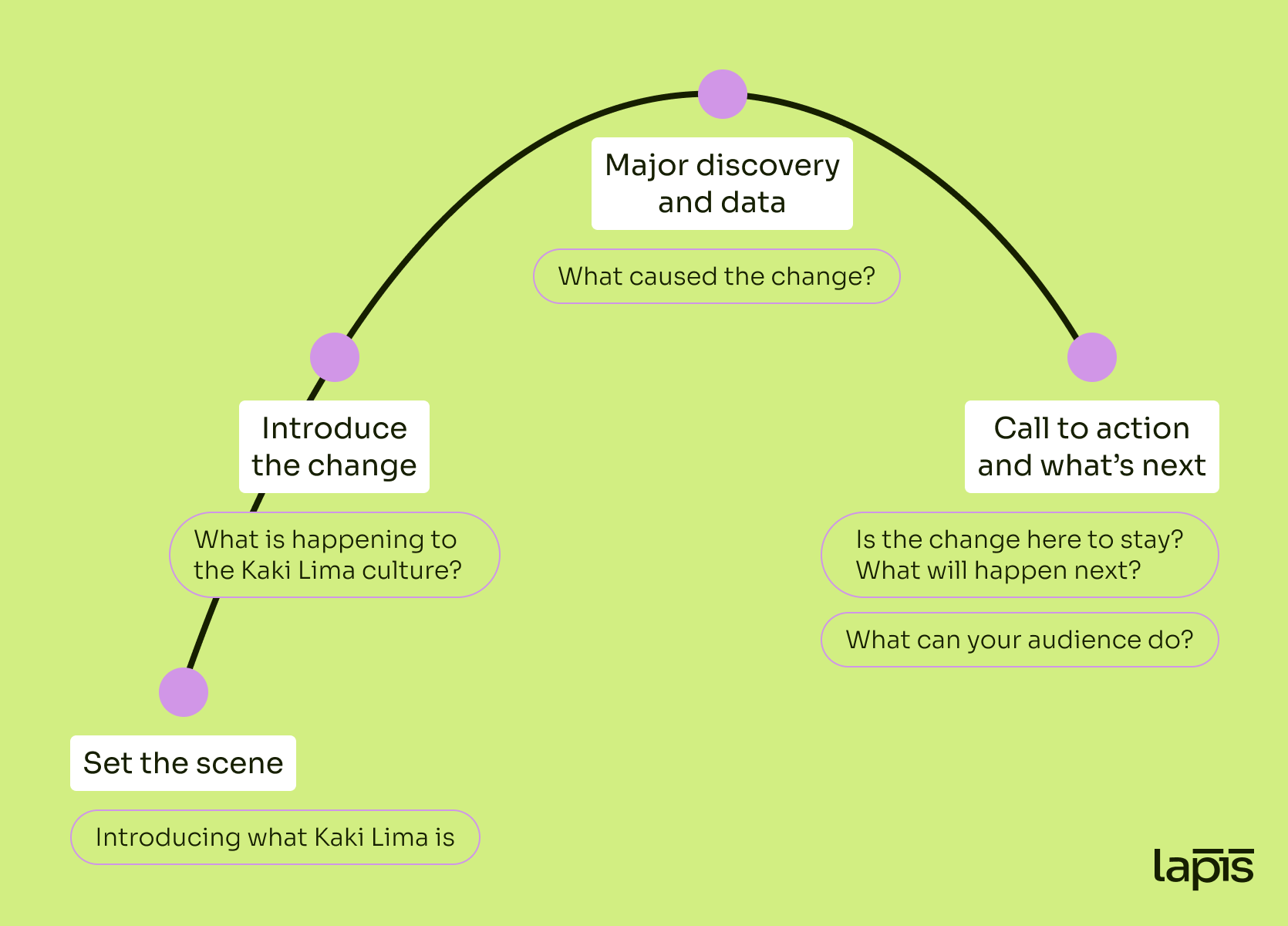
Alternatively, a positive shift could be that these Kaki Lima sellers are now find it less physically taxing to run their stall, thanks to the rise in mobile technology and food delivery services. These sellers no longer have to push their carts around different neighbourhoods to find customers, and they can choose to stay put in one place while waiting for orders to come in through their phones.
This is where you use data to explain the reasons behind the shift in the scene. For example in the negative example above, one factor behind the dwindling numbers could be due to the rise in gated communities that these roadside sellers cannot access and sell to. And this problem is further worsened by new governmental policies such as anti-hawker street clean ups and implementing mandatory licenses which can be expensive and complicated to obtain.
Or in the positive example of Kaki Lima adopting mobile technologies, you could explain factors such as effective campaigns by food delivery apps to onboard Kaki Lima as a key segment in their list of vendors, or that getting mobile phones and subscribing to a mobile plan is now affordable to most people, including roadside sellers.
Ddi you
For example, the complicated process to obtain a license coupled with the fact that there have been more strict anti-hawker policies could mean that these roadside sellers will diminish even faster than before. Locals have already begun to feel nostalgic about Kaki Lima, and speak about it as though it is a thing of the past. However, there have been efforts and initiatives to protect and support the Kaki Lima in the recent years, like a particular program that helps these sellers with the necessary paperwork, for instance.
Alternatively in the positive example, you could say that how the Kaki Lima was supported to evolve in tandem with the changing digital economy signals how important and valuable this culture is to the people. The Kaki Lima might continuously evolve, but it will definitely still be around in the many years to come.
In all data stories, it is very important to list out any methodology used to process the data, as well as the references used in your story. This is to maintain transparency, and helps to build trust with your audience.
Story references for this template:
Kontinentalist, 'Jakarta's roadside food sellers', 2023.https://kontinentalist.com/stories/jakarta-roadside-food-sellers-challenges-in-future-technology