Basic storytelling structures and when to use them
When we think of stories, we think words. Sometimes data, usually with visuals. But, would you believe me if I said that they’re also made up of shapes?
Long before we put together our visualisations, choose our color schemes, and think of a snappy headline, we already make this key structural decision: where does this story begin, what order do its moments unfold in, and how does it land?
Most of us might think that it’s just a matter of plugging in a beginning, middle, and end. But, remember: different stories, different strokes. A feature about a community might benefit from zooming in on an anecdotal example, while a report involving a wicked problem would work best if it ends with key takeaways.
Below, we've listed narrative structures we’ve personally encountered before. Some are already available as templates on Lapis, so you can tinker around with them for any ongoing or potential projects. We tell you how they work, when to reach for them, and what kind of topic it usually does justice to. Feel free to use them as jumping off points for your own work!
Think classic fiction, film, and folklore.
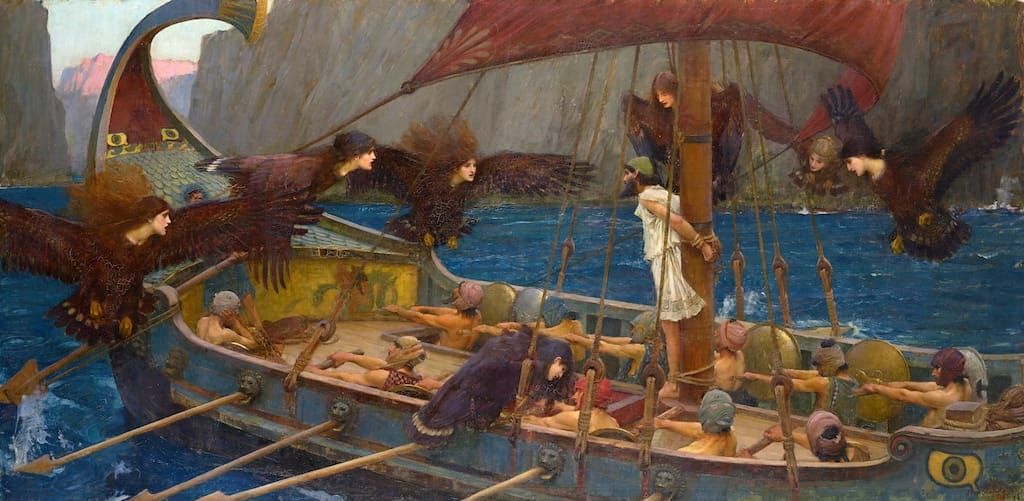
Three-act structure
How it works
Aristotle’s beginning-middle-end: establish the world and a goal, raise obstacles toward a climax, then resolve.
When to use it
When in doubt, reach for this. This is the default shape for most films, talks, and pitches.
Sample story
Mrs. Hoa has farmed the same rice paddy in Vietnam for most of her life, but in recent years, the soil has started testing too salty to plant. This conflict will be the main driver of change. Either dive into the emotional journey that follows, or show how their situation coincides with larger trends.
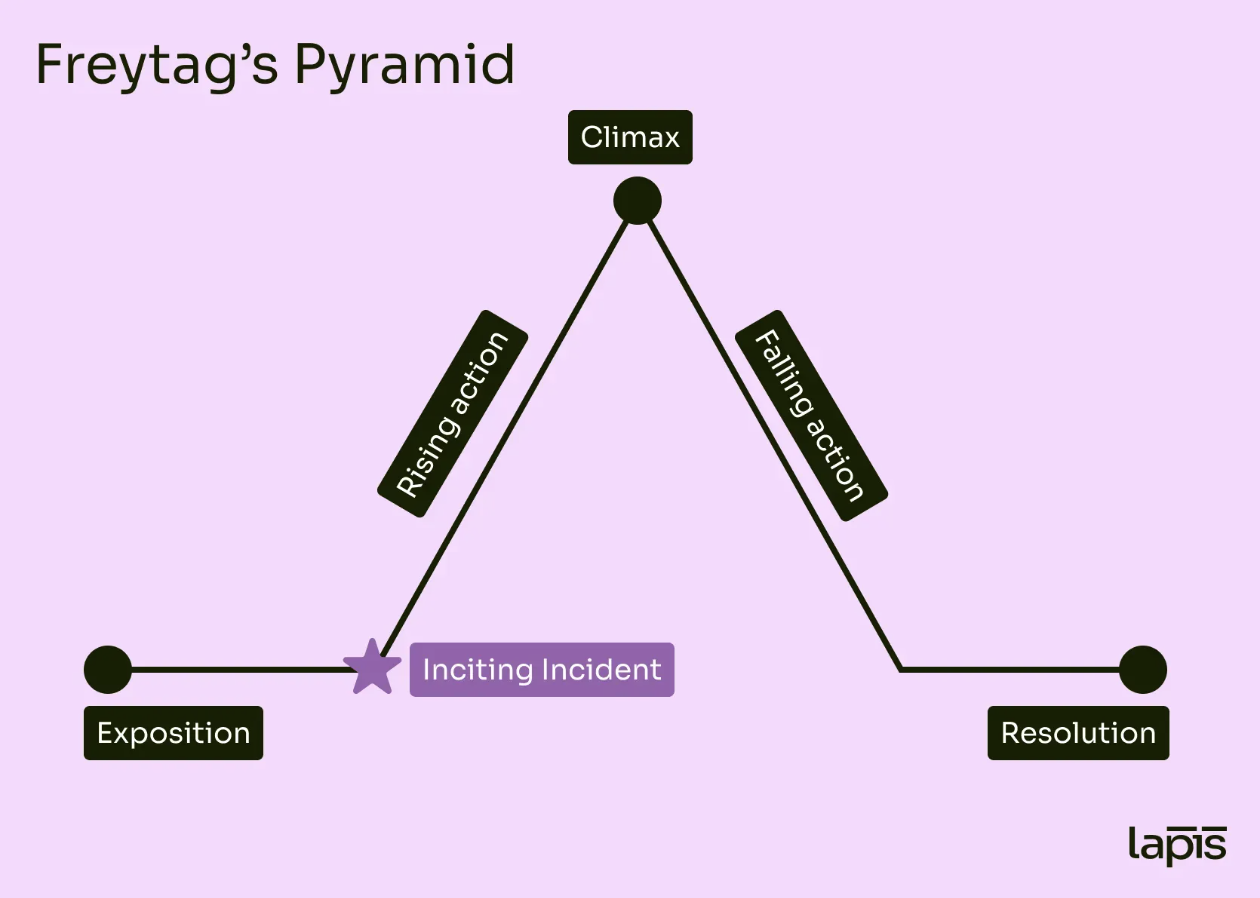
Freytag’s pyramid (Try on Lapis!)
How it works
Throughout five stages, this ensures your story is built around a conflict and gets the dramatic momentum it needs to stick.
When to use it
When you have a narrative-heavy project. This is well-loved among Western fiction writers for a reason!
Sample story
Rafa drives a rickshaw through the same smog-heavy streets every day. Set the stage and introduce characters before reaching the climax: maybe someone close to him falls ill. From there, start showing how this has impacted both the protagonist and the community he belongs to, and what interventions can be done to reach a conclusion.
The hero’s journey
How it works
This cyclical piece usually has twelve parts, broken into three core segments, each with its own peak and pivotal moment.
When to use it
When the protagonist at the center has to leave their world and return changed, like in The Odyssey or Star Wars
Sample story
We find Sally in a health center, caring for a husband with COPD and in need of two valid IDs to claim a foreign remittance that can cure him. From there, place readers in the character’s shoes, taking them through all the trials, tribulations, and transformations that will occur before the pivotal, sometimes tragic ending.
Kishotenketsu
How it works
A popular story format from Japan, this banks on the element of surprise to drive home a powerful conclusion.
When to use it
When you have a narrative with a twist, or prefer to take the unpopular route and avoid conflict
Sample story
Introduce an unlikely hero/heroine: say, an elderly man living alone in a small apartment. Elaborate on the forces that led to his isolation, then subvert reader expectations: he may be a silver influencer with a growing fan base! No need to tie things together neatly after. The goal was the change in perspective.
Bengali widow
How it works
Driven by the circle of life and time, this structure works best when there is no resolution, like in regional folklore or literature.
When to use it
When you want to explain wicked problems, or deeply rooted societal challenges
Sample story
Rekha is born to a family that sees sons as superior to daughters, and is set to be someone else’s wife despite promising academic performance. This introduces the problem of child marriage and its effects on girls’ education. Talk about the challenges the character confronts that they don’t necessarily overcome, and lead readers to the conclusion, even when it isn’t satisfying.
Built for stories with evidence and reporting.

Problem-insight-solution
How it works
This straightforward approach presents, explains, and solves a challenge in three steps, which is a lot harder than it seems!
When to use it
When the narrative itself can take a backseat to let the visualisations shine
Sample story
Election fraud is common in certain countries, despite the presence of automated polling. Unveil the underlying causes, such as corruption and connivance among key figures. Present the answer to the problem – the movements and integrity measures on the ground – and validate its success with proven benefits.
Then vs now
How it works
This contrast of past and present illustrates any significant shifts and hopefully, how we got from point A to B.
When to use it
When you need to map out substantial change or differences in scale
Sample story
The Sundarbans delta was once home to a mangrove forest of about 10,000 square kilometers with rich biodiversity. Highlight the stark contrast: dying wildlife, eroding coastlines, rising sea levels. Think of other, more human-centered ways to underscore the devastation.
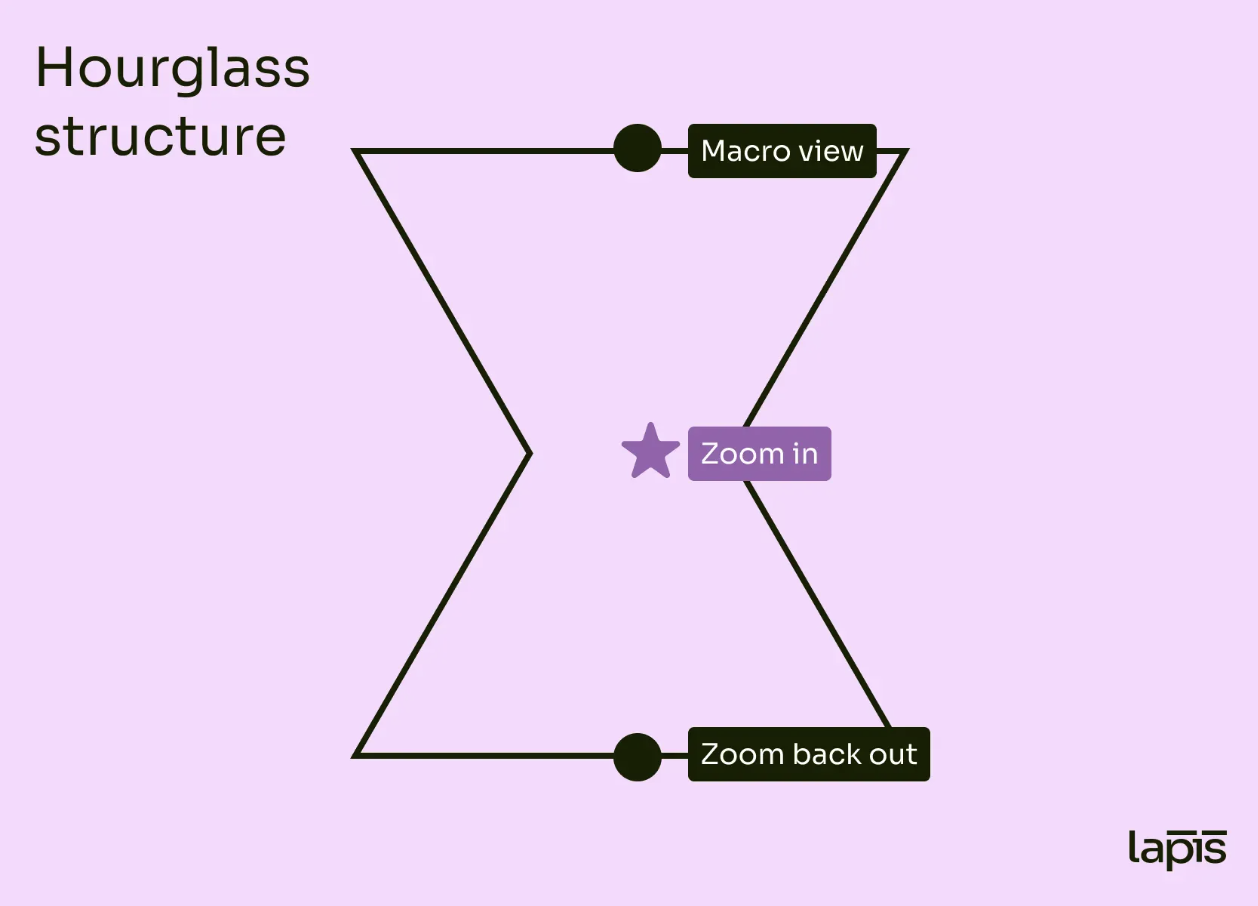
Hourglass (Try on Lapis!)
How it works
This structure, like its shape, zooms out and then zooms in on a finding or dataset.
When to use it
When you want to dive into the granularities after giving an overview
Sample story
Rice price surges affect several Asian markets – we know this. Why not zoom in, for instance, on a small neighborhood eatery and the shortage’s effect on their prices and foot traffic? Walk through the timeline and establish how each event builds on the last.
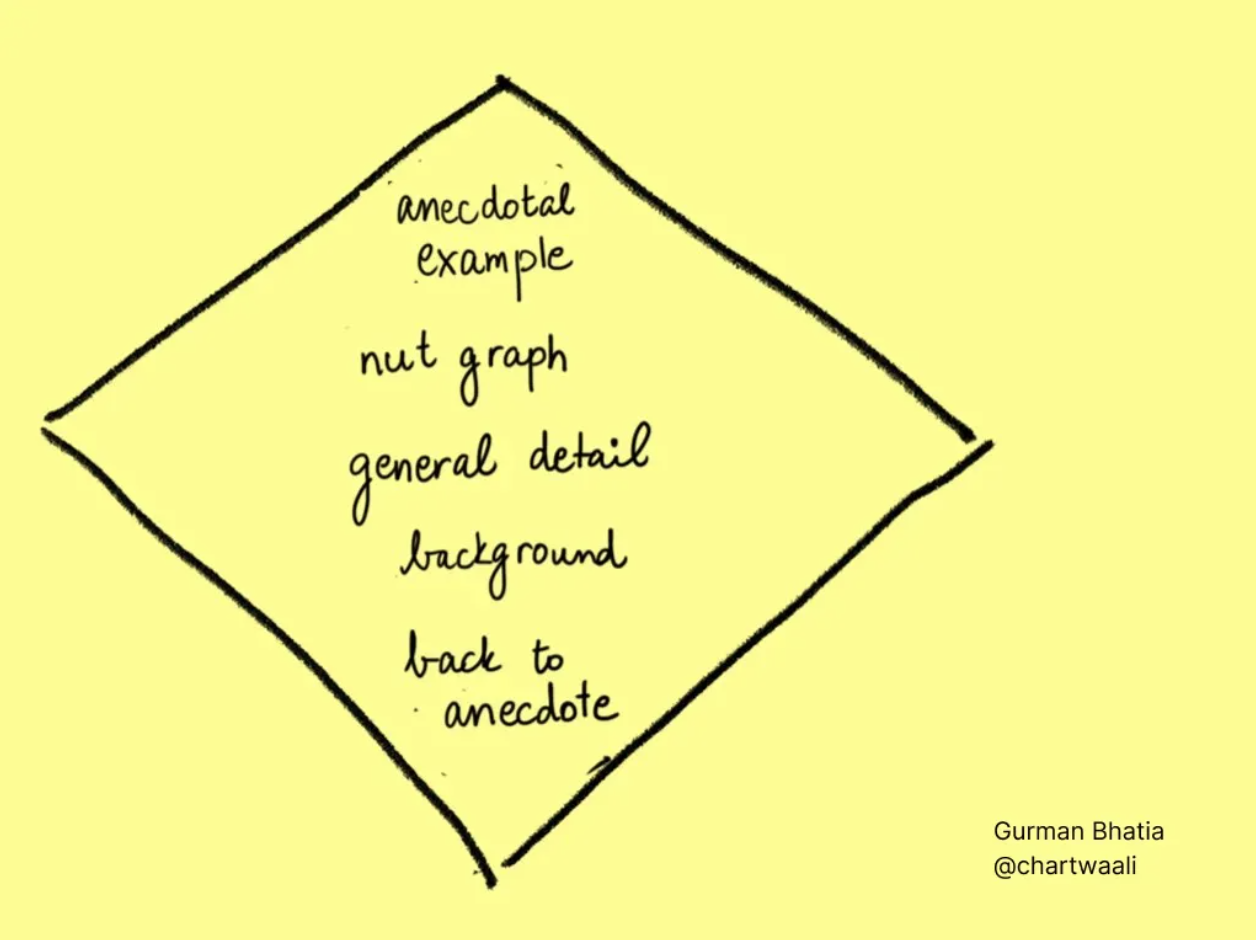
Diamond (Try on Lapis!)
How it works
By starting short and sweet before fully exploring a topic, this structure brings in a much-needed human element that hooks the reader.
When to use it
When you have stories that lead with case studies or anecdotes
Sample story
Open with a specific, sensory routine: a day in the life of a young garbage collector, and his sights, sounds, and smells. From there, draw patterns between the micro and macro, shedding light on the informal waste picking economy across the region. Return to your character towards the end, and explain how they’re dealing with the information you shared.
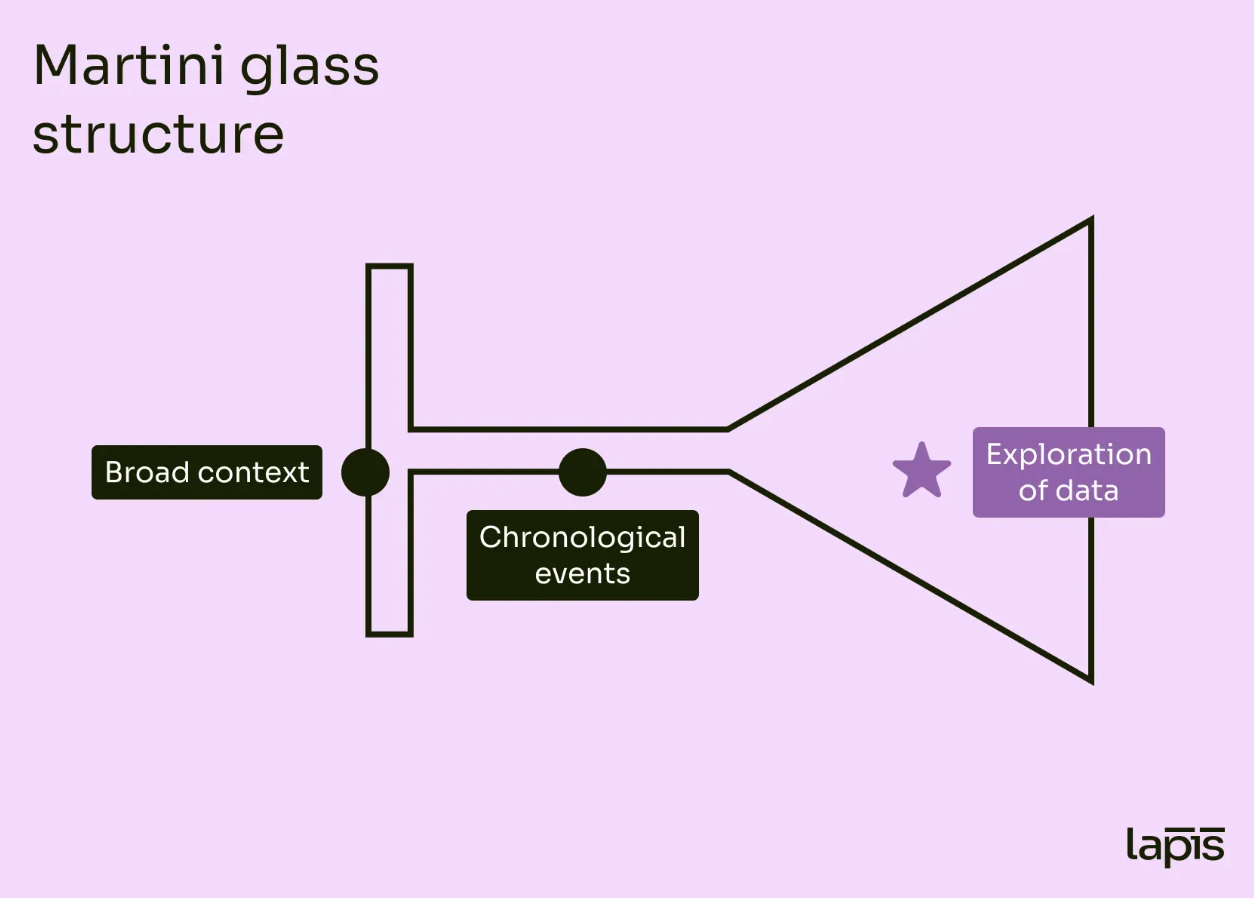
Martini glass (Try on Lapis!)
How it works
Similar to the glass’ wide brim, this leans on a compelling lead that convinces audiences to go on a journey.
When to use it
When you have a good hook in mind
Sample story
Record heatwaves have taken Asia by storm in 2026, reaching 46 degrees Celsius in certain parts and leading to droughts, forest fires, and deaths. Take your readers through why this is happening, and what they can actually, realistically do to mitigate the climate crisis.
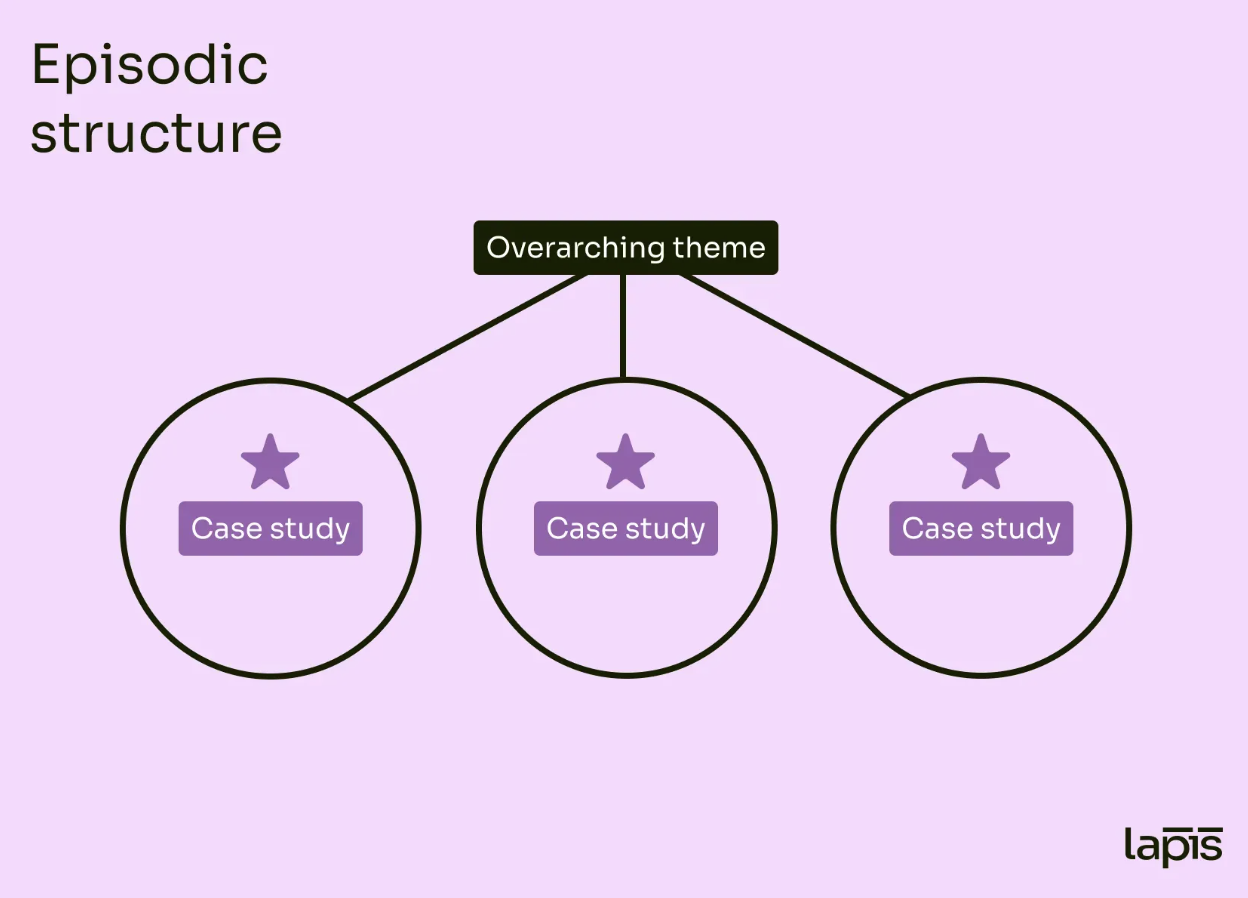
Episodic structure (Try on Lapis!)
How it works
These installment-based narratives capture specific examples and experiences.
When to use it
When you need something light and simple for a pretty heavy, complicated topic
Sample story
Many countries have pursued intense land reclamation to solve scarcity, which comes with major trade-offs. Separated as sections or examples, list down your case studies in short and sweet segments, complete with takeaways for each.