The wonderful world of Kpop merchandise
As a Kpop fan who is not based in Korea, I was interested to explore this dataset on online prices for Kpop merchandise. Primarily, this was sparked by an exercise in learning how to use Python, but of course it did not hurt that I was genuinely interested in the topic and could harness this to query the dataset more carefully. The timing worked out too, because I had just worked on a story on Kpop CDs for Kontinentalist (read it here!).
The data is predominantly skewed towards US buyers, and is gathered from 5 shops: the official fan shops for JYP and SM Entertainment, third-party vendors Musicplaza, Kpopalbums and Kpopstoreinusa, and lastly, Mwave. More information is in my methodology note below.
The original dataset did not have complete details that matched the merchandise name with the artist. As such, my initial questions were tied more to price. For example, what were the price ranges like for each store?
The outliers are starting to emerge of course, but as a Kpop fan who (in this economy!) can be quite price-sensitive, I was first interested to find out the median prices for each store. This would help me figure out which stores fit my budget the best.
Hypothetically speaking, if I were a fan based in the US, I should be checking out Music Plaza for the most reasonable prices. Of course, it also depends on the kind of merchandise I want.
Also, by this point I had more questions for the data, but I was a bit stuck because it lacked some data fields (specifically, the artist names). I started cleaning the data and using a more extensive artist list to match the merchandise to the artist they belonged to.
The original dataset did list some of the artists, but not all. I realised this while analysing the data in Python – the artists it pulled for the most expensive merchandise didn't match what was actually in the data sheet. I used an Excel formula to match the data with a list of Top 30 Kpop artists from Soridata.com, of most awarded artists of all time. This was preferred to something like "top 2026 artists", which would have only included new generation artists. This was better for me because I'm a 2nd Gen stan (more on that later)!
Going back to outliers, I am morbidly curious to know about the most expensive merchandise, and who they belonged to (I am unlikely to buy these, but never say never!). Mouse over the chart below to find out more about the top 10 most expensive merchandise.
You might have noticed that I have included more information in my charts–e.g. adding names like Cho Yongpil and Loona. Yes, I started becoming more and more curious. Also, I'm a relatively new Kpop fan (I'm a baby!), so I can't tell by the names of the items what they are. So I added other details to the data, e.g. type of merchandise, year it was released, the company that released it.
What's up with photobooks? Based on my research, these can be quite grand-looking and beautiful coffee table books, filled with full-page and double-page spreads of photos of the idols, in solo or group shots. The books have strong concepts. I really like the look of the NCT Dream one, which is the top-priced item in our dataset!
By the way, all these top-priced photobooks have long sold out. If you have a copy, you're lucky!
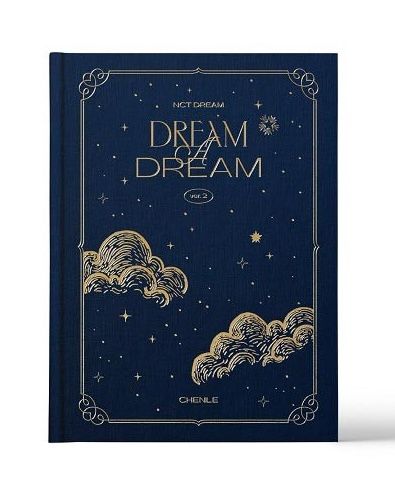
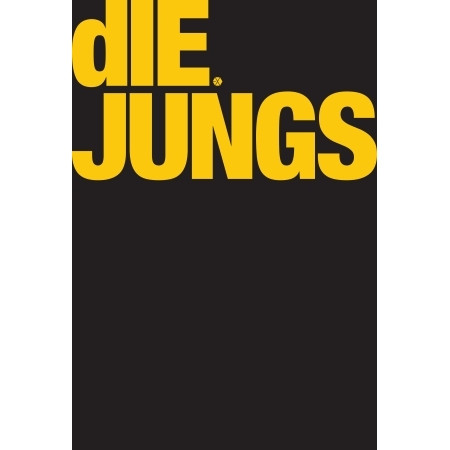
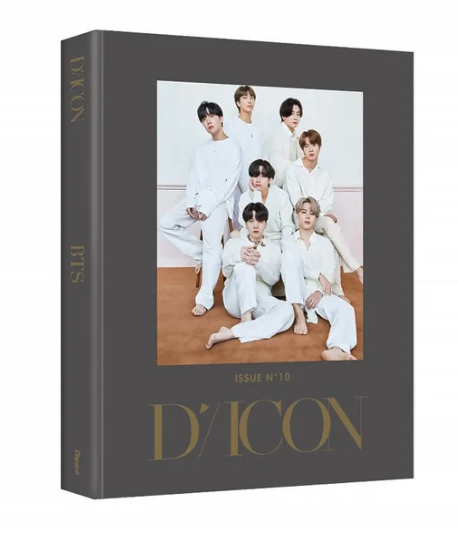
By the way, if you're interested in the cheapest merchandise, like I am (we're in recession!). There were quite a few free ones—I'm guessing freebies or sale items. After removing those, I found that all of the cheapest merchandise (at $2.99) were posters! I suppose that makes sense.
Alright, enough pussy-footing. Let's get into fandoms.
Just kidding! I don't want to start a fan war! But seriously, because the data now had the year the merchandise was released, I became more interested in looking at time periods, and whether that affected the price of the merchandise. This meant I had to do more research about Kpop generations.
Writing about Kpop generations is a little nerve-wracking, as the time periods are not completely clear and what makes each generation differ from one another can be subjective. There also seems to be no consensus over whether there is a true "5th Generation", or whether we're still in the 4th Generation. (Wikipedia gave up, stopping at 3rd Generation!)
Below I've synthesised research from various sources to try to distill what each Generation is about.
Notably I didn't include KATSEYE under 5th Generation, because not everyone agrees they're part of Kpop since they're American-centric. I guess that shows how complex these categorisations are and have become, especially as the world becomes a bit more porous and technology comes into play. PLAVE is pretty interesting in this regard, as a five-member virtual boyband. They aren't AI-generated though, they're real-life performers whose movements and expressions are captured through motion capture technology!
Going back to our dataset, let's see if there are meaningful differences across the various Kpop generations.
I looked at the most expensive merchandise by artist, and then added information about whether the artist was from the 1st, 2nd, 3rd, or 4th generation of Kpop artists. I added in information about the "unit type" of the artist, i.e. were they solo artists, groups, or sub-units?
The results are super interesting!! 3rd Generation artists seem to have the most premium merchandise. On the flipside, the cheapest "most expensive" merchandise were from solo 2nd Generation artists. Well, it could also be that because the dataset was from 2022, the solo artists' albums may not be as "trendy". Sad, but likely.
I should declare now that my ult group is BIGBANG! BIGBANG is a 2nd Generation artist which is still active today.
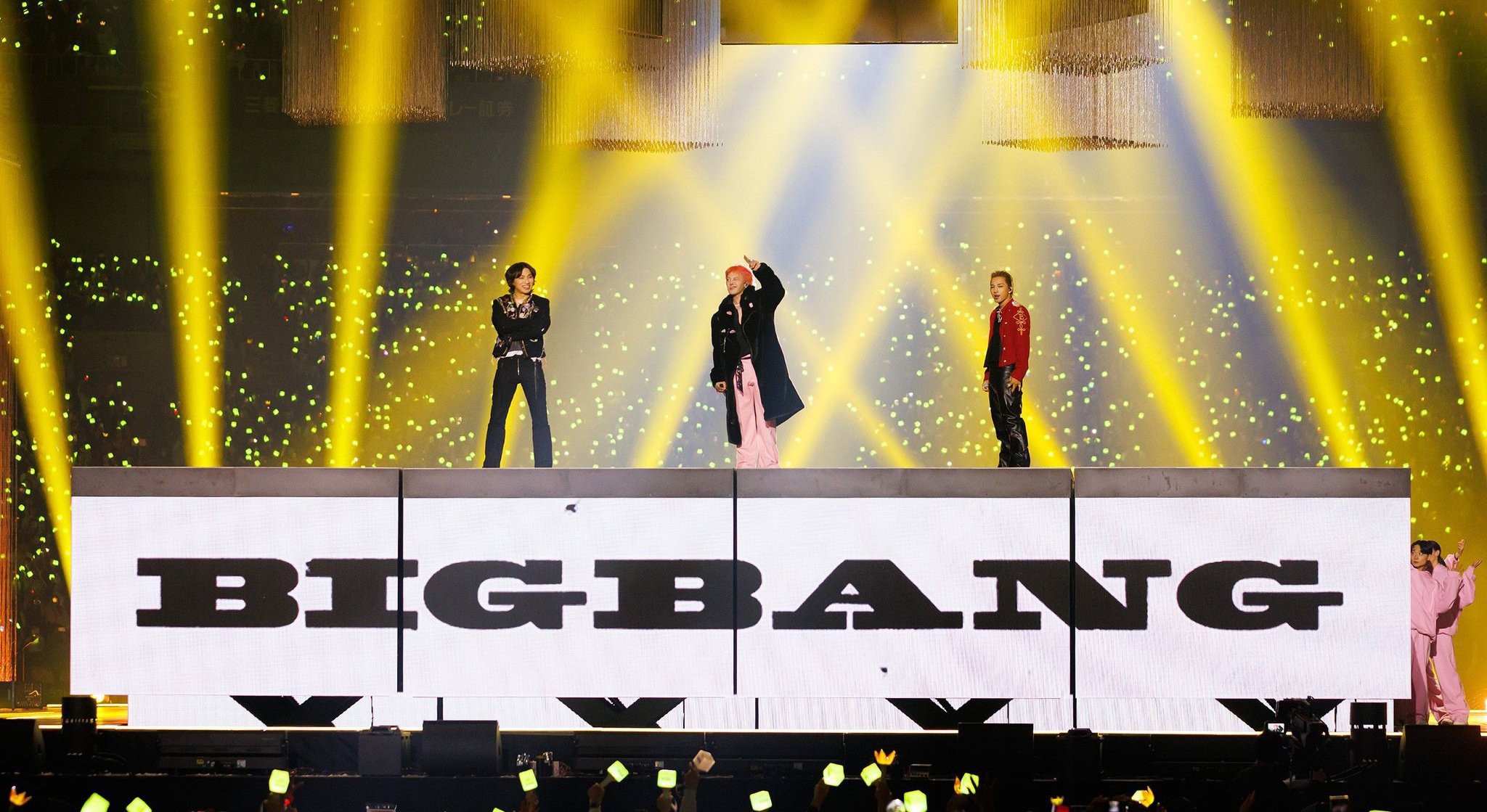
Obviously, I was keen to explore the data on BIGBANG's merchandise specifically. I also included merchandise by G-Dragon and TOP (a duo sub-unit), and Taeyang (solo artist), which were available in this dataset.
From this packed circles diagram, it's cool to see the diversity in the range of their merchandise—from CDs and DVDs, to light sticks, photobooks, key rings and badges. [Psst, in our Kpop story, we delve deeper into why fans want to collect all these merchandise.] I know it can seem a little capitalistic, but from a fan's perspective, I must say that it can be quite a thrill to get your idol's merchandise, and when you get to use it daily or see it on your wall, you do feel a little happier.
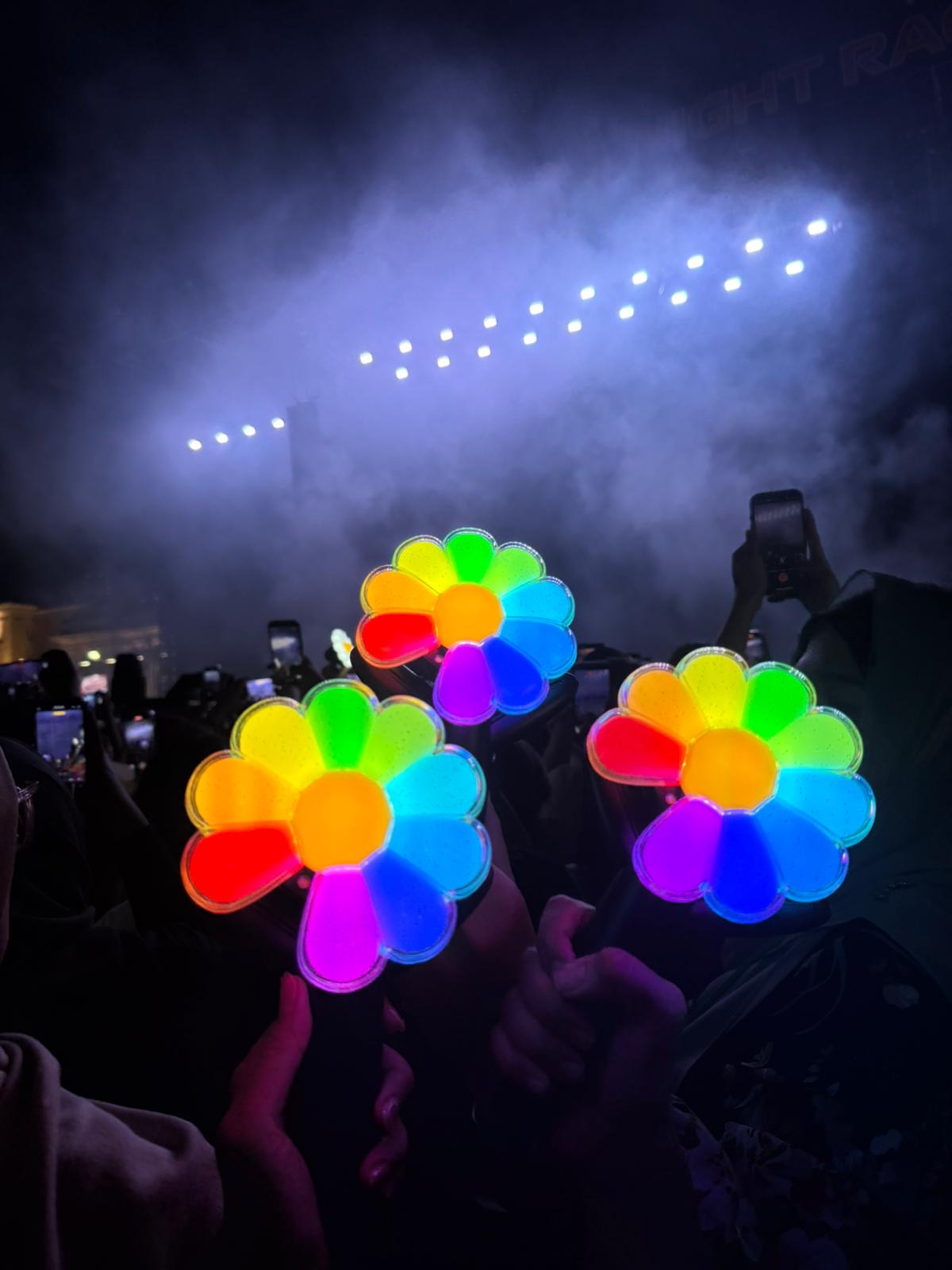
After taking a brief hiatus, this year BIGBANG celebrates their 20th anniversary. I'm a newer fan of them, so I don't have any of their merchandise, and I look forward to getting their light stick and other things (hehe), hopefully at one of their concerts. Wish me luck!
Methodology:
The dataset was obtained from Kaggle, which is based on data from 2022, obtained from 5 shops: the official fan shops for JYP and SM Entertainment, third-party vendors Musicplaza, Kpopalbums and Kpopstoreinusa, and lastly, Mwave. There are 22,788 albums listed, some of which are repeats since the data is gathered from various stores. Where a finer analysis was made that didn't take into consideration which store the album was from, such repeats were removed. Presumably, the pricing information is based on US dollars.
I used Python to perform some general analysis of the data, before data cleaning using Google Sheets. The data cleaning involved matching an added list of artist names, derived from a Soridata list of top 30 artists according to music show awards. This yielded some errors, e.g. artists got wrongly tagged as "IVE" and "IU" because these combination of letters are found within many other words, like "ive" in "anniversary". I had to look for these possible errors and correct them.
For all charts except the first two, the dataset was curated and appended with more info—the year merchandise was produced, the type of merchandise, the company that produced the merchandise, the generation the artist is from, and the unit type (solo, sub-unit or group). This additional information was obtained through looking at various sources, and sense-checking based on the writer's own knowledge.
Any errors made in the story are unintentional.
Header image is from Pxfuel.
References:
https://www.kaggle.com/datasets/ericwan1/kpop-merchandise-prices. Accessed 8 Jan. 2026.
K-Pop Music Show Awards per Artist. https://soridata.com/awards_by_artist.html. Accessed 8 Jan. 2026.
“4 Generations of K-Pop Explained.” Kpop Exchange, 7 Jan. 2026, https://www.kpop.exchange/blogs/news/blog-4-generations-of-k-pop-explained.
“K-Pop Generations - 1992 until Today.” Nolae, 22 July 2021, https://nolae.eu/blogs/overview/k-pop-generationen-1.
“5th Generation K-Pop Groups Explained: 2023 - Present.” Kpop Exchange, 7 Jan. 2026, https://www.kpop.exchange/blogs/news/5th-generation-of-k-pop-explained-2023-present.