Work over retirement; The new norm for senior men
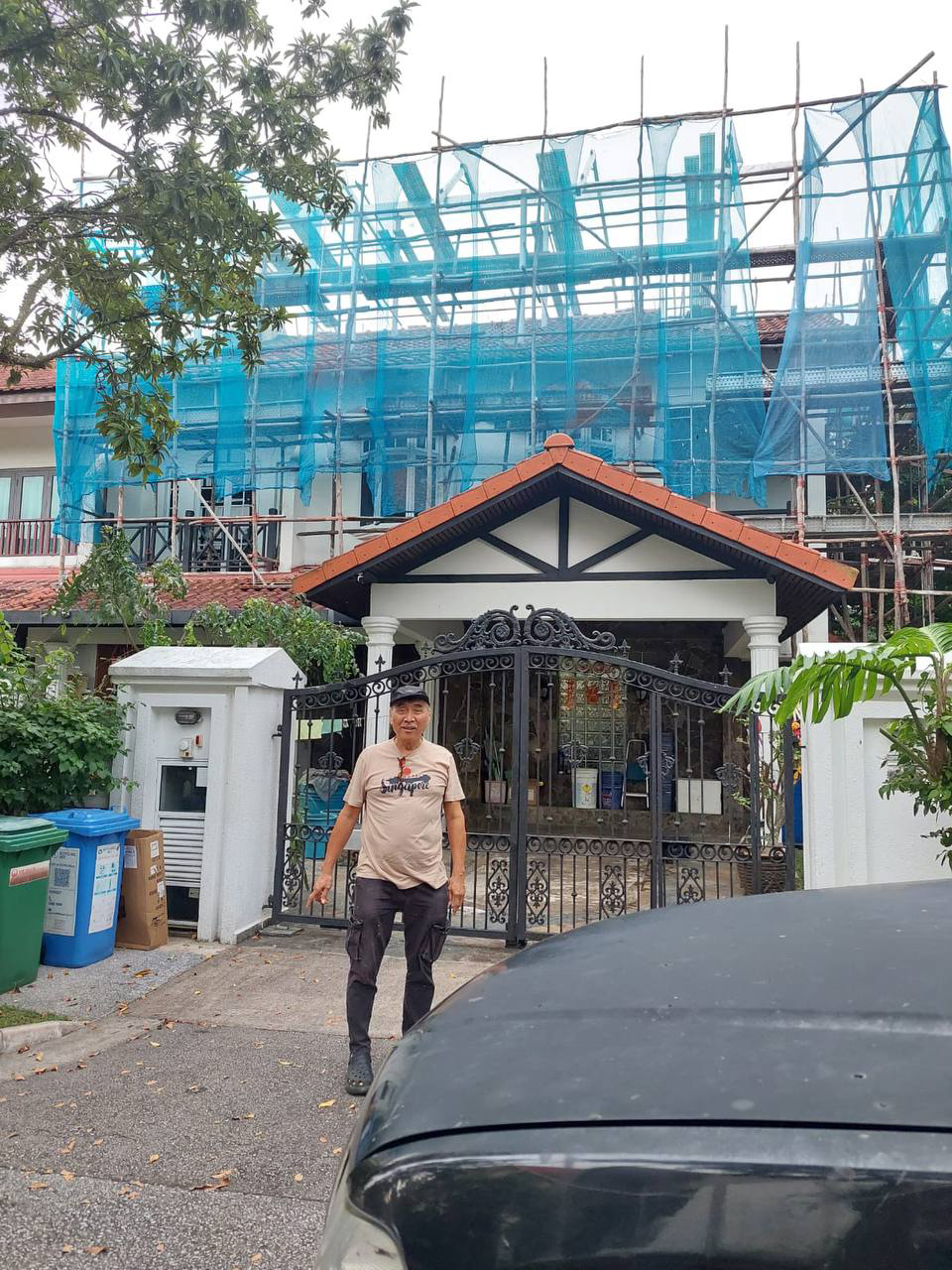
At 71, Mr Yang Pow Sing spends up to 12 hours a day immersed in his work as an architect.
He started as an apprentice in 1986 before establishing his sole proprietorship in 1990.
To Mr Yang, work is an outlet for self-expression and social connection. Without the freedom to express oneself, he believes work becomes burdensome, making retirement an escape. “Unless you can express yourself freely, you won't last long in a profession. It becomes tiresome,” he said.
He expresses himself through design. Over the years, he has gone beyond architecture. He creates interior designs, landscaping, sculpture, furniture making, and more. He also expresses himself by speaking with his clients and advocating for suitable designs.
In Singapore, more seniors like Mr Yang are choosing work over retirement–not out of necessity, but to remain active, maintain purpose and social ties, and build financial security. This growing trend challenges the traditional view of retirement as a time to step back and rest.
According to data from the Ministry of Manpower, the number of employed male residents aged 65 and above rose significantly, from 17,800 in 1990 to 143,100 in 2024. With the official retirement age currently at 63 and set to rise to 64 in 2026, the government has taken steps to raise the retirement and re-employment ages to encourage age-friendly workplace practices.
Agencies like the Centre for Seniors (CFS) are crucial in supporting older workers by addressing the challenges they face.
According to Ms Cheryl Ng, lead sector at CFS, common issues include perceived or actual skill gaps, particularly in technology-related roles, and physical or health limitations that may require adjustments to job roles. She added that mismatched expectations between employers and older job seekers concerning job scope, work flexibility, or salary also arise. While many seniors are open to learning, varying digital literacy levels and age-related bias remain key barriers.
With one in four Singaporeans projected to be aged 65 and above by 2030, the need to support senior employment is vital.
CFS addresses these issues by offering seniors digital literacy upskilling, workshops, and training. They also run the Silver Jobs portal, a website helping seniors find suitable jobs. Ms Ng highlights that some companies have adapted recruitment processes and workplace practices. These include flexible work arrangements, job redesigns for physical limitations, onboarding support and training, and creating an age-inclusive culture.
Mr Yang experienced age-related bias firsthand when a client withdrew after learning he was 70. Despite this, he adds that he feels happy as he finds it difficult to turn down a client who values his work. Many are still on his waiting list. Instead of focusing on setbacks, he chooses to focus on creation and connection. Mr Yang emphasized the value of camaraderie at work, explaining that showing genuine care for colleagues builds mutual trust and love. As he put it, “Everybody around you will trust (you), and because they trust you, your work will become very smooth and you are very happy doing the work."
Boo, K. (2024, March 6). S’pore retirement age to go up to 64 in 2026, re-employment age to rise to 69. The Straits Times. https://www.straitstimes.com/singapore/politics/s-pore-retirement-age-to-go-up-to-64-in-2026-re-employment-age-to-rise-to-69
Fang, C. S. (2024, March 18). Mature but still productive: Will you hire me? The Straits Times. https://www.straitstimes.com/singapore/mature-but-still-productive-will-you-hire-me
Utomo, D. (2023, January 17). Want or need? Deputy PM says most Singaporean seniors want to keep working; others have their doubts. Coconuts Singapore. Institute of Policy Studies.